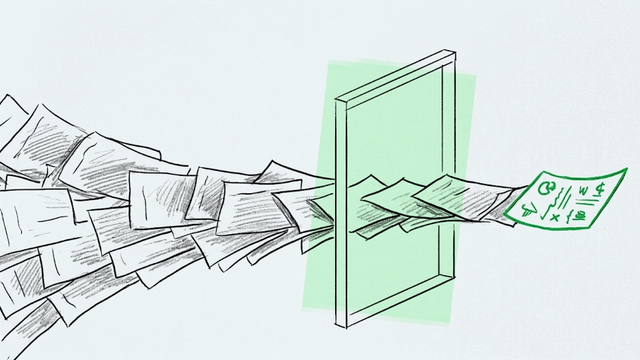
More software. More specialists. Prettier dashboards. And somehow, everyone is busier than they were five years ago.
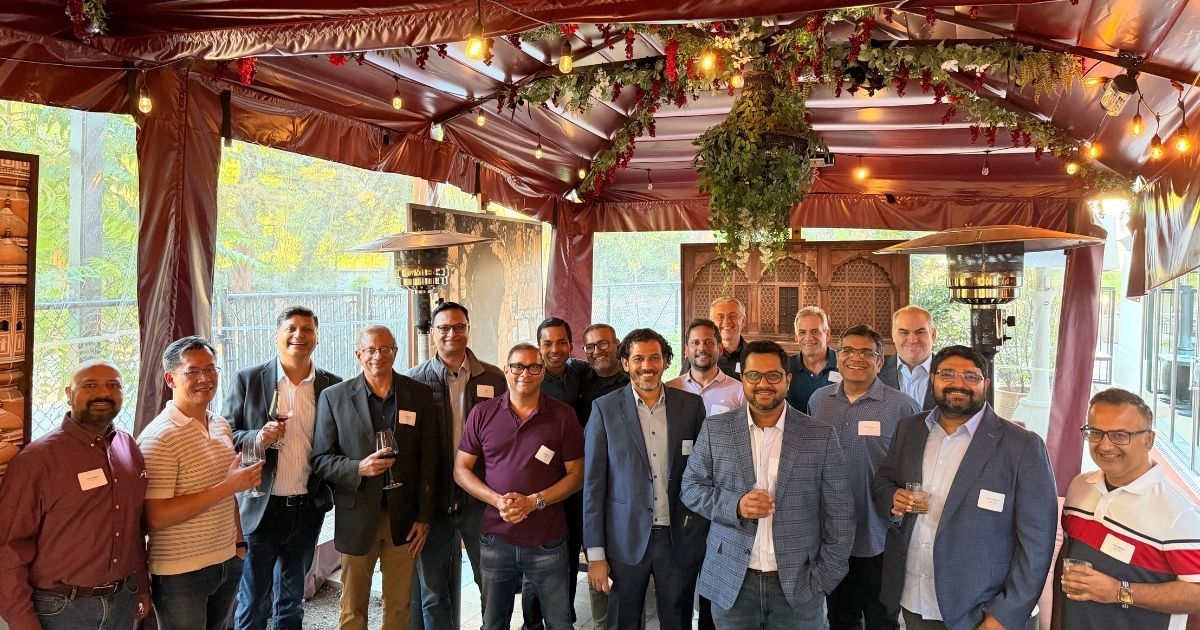
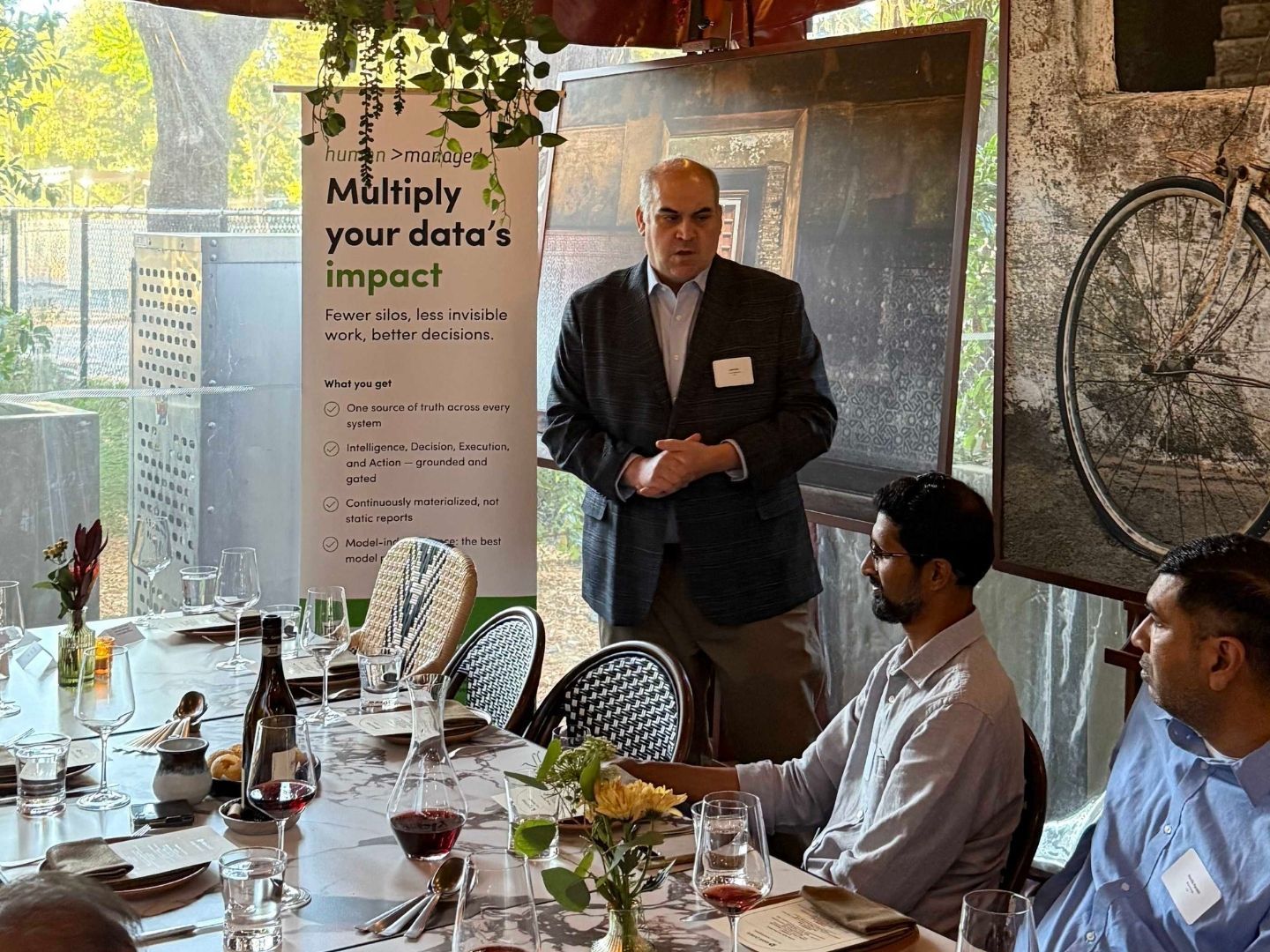
That contradiction is what our founder, Saleem, put to a room of security, technology and AI leaders at Human Managed’s first major Executive Dinner in the US, held in Menlo Park. He wasn’t there to pitch anything. No slides, no fundraising, no product demo. Just a question he’s been sitting with for twenty-five years in enterprise technology: why does more technology keep producing more work instead of less?
⸻
The diagnostic trap
Ask a room full of executives whether they have more software today than five years ago, and every hand goes up. Ask whether their operational burden has actually gone down, and the hands stay in their laps.
“It isn’t a technology problem anymore. It’s an operations problem.”
He explained it with a hospital. Walk into one, and you’ll find MRI machines, CT scanners, blood tests, heart monitors, more diagnostic power than any previous generation of doctors had access to. But nobody leaves a hospital saying the MRI machine saved their life. The MRI produces information. The doctors produce the outcome.
Enterprise software runs the same pattern. Security teams don’t need another dashboard. Risk teams don’t need another report. Operations teams don’t need another notification. They’re already buried in all three. What’s missing isn’t more information. It’s someone, or something, running it.
Selling outcomes instead of features
For most of the last decade, enterprise software has been sold on feature counts: how many integrations, how many dashboards, how many alerts, how many models. But customers were never asking for any of that. They wake up wanting fewer security incidents, less fraud, a better customer experience, faster operations, better decisions. Those are outcomes. The features were just one route toward them, and not always the fastest one.
That reframing changes the first question in every customer conversation. Instead of “what product do you need,” it becomes “what outcome are you trying to improve.” Once that’s agreed, the rest, the integrations, the models, the dashboards, is an engineering problem, not a philosophical one.
It’s also why Human Managed has stayed a services company that happens to build its own products, rather than the other way around. Saleem built the company bootstrapped and profitable across Singapore, India, Southeast Asia and Hong Kong over seven years, funded by nothing but paying customers. That has a way of sharpening what counts as value: when a customer stops liking what you built, they don’t send feedback. They just stop paying. It’s a blunt mechanism, but an honest one, and it keeps the conversation anchored to outcomes instead of features nobody asked for.
From digitizing work to operating it
Saleem frames the last thirty years of enterprise technology as one long project of digitizing work: forms, processes, infrastructure, applications, all converted from paper and manual effort into software. The next thirty, in his view, are about operating that work. Not replacing the people doing it. Letting them focus on judgment while systems handle the routine decisions running underneath them.
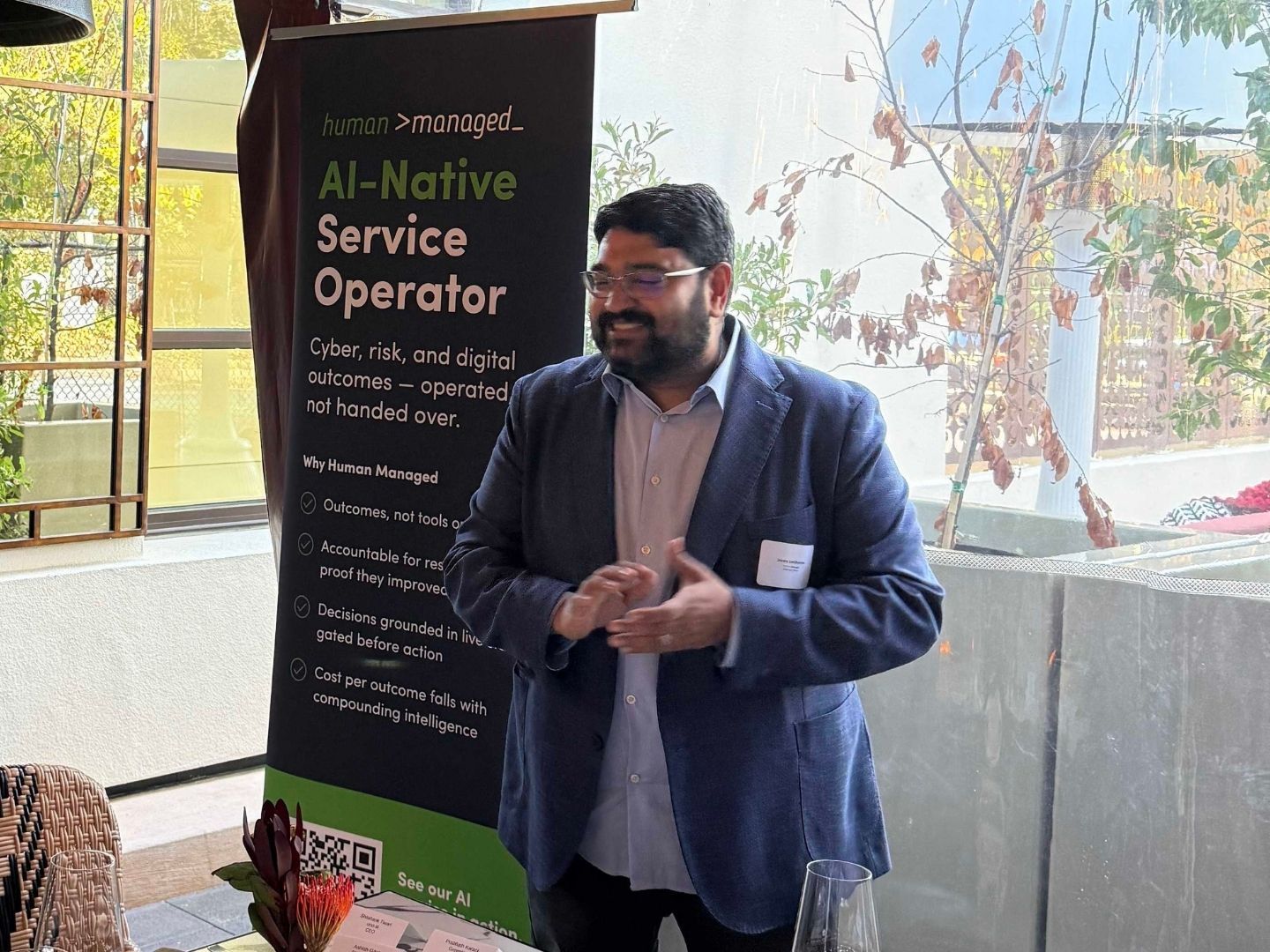
That’s the same idea Sriram, our Chief Cyber Officer, was getting at when he described what “Human Managed” actually means: AI-operated, human-managed. AI absorbs the repetitive, high-volume work that’s invisible in most organizations. People keep the smaller, weightier share: judgment, trade-offs, creativity, leadership, accountability. Saleem’s version says it from the operations side of the business. Sriram’s says it from the AI side. Both land in the same place.
An honest amount of uncertainty
Saleem was clear that none of this is solved. Seven years in, Human Managed is still learning, still making mistakes, still unlearning things that seemed right at the time. AI just helps them make those mistakes faster now. What he’s betting on isn’t a finished playbook. It’s a way of thinking that should survive the next round of model upgrades, because the products and the underlying AI will keep changing every six months regardless.
That’s also why the Menlo Park dinner ended the way it did: not with a pitch, but with an invitation to disagree. Saleem’s closing line to the room was that he’d rather hear where people think he’s wrong than spend the evening explaining why he’s right, because those disagreements have always sharpened both the product and the thinking behind it.
CEO Karen Kim goes deeper on outcome-based services →
If your organization is still buying more software every year without feeling any lighter, that’s the conversation worth having. Not which product to add next, but which outcome you’re trying to move.