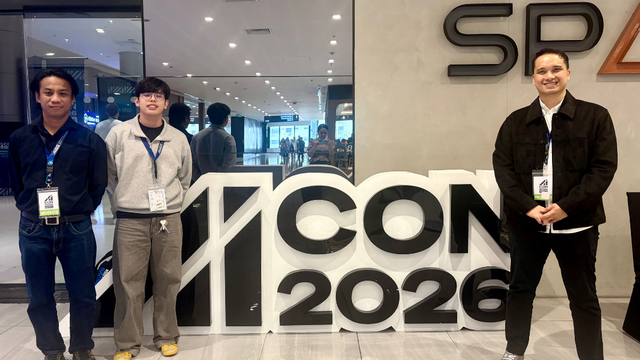
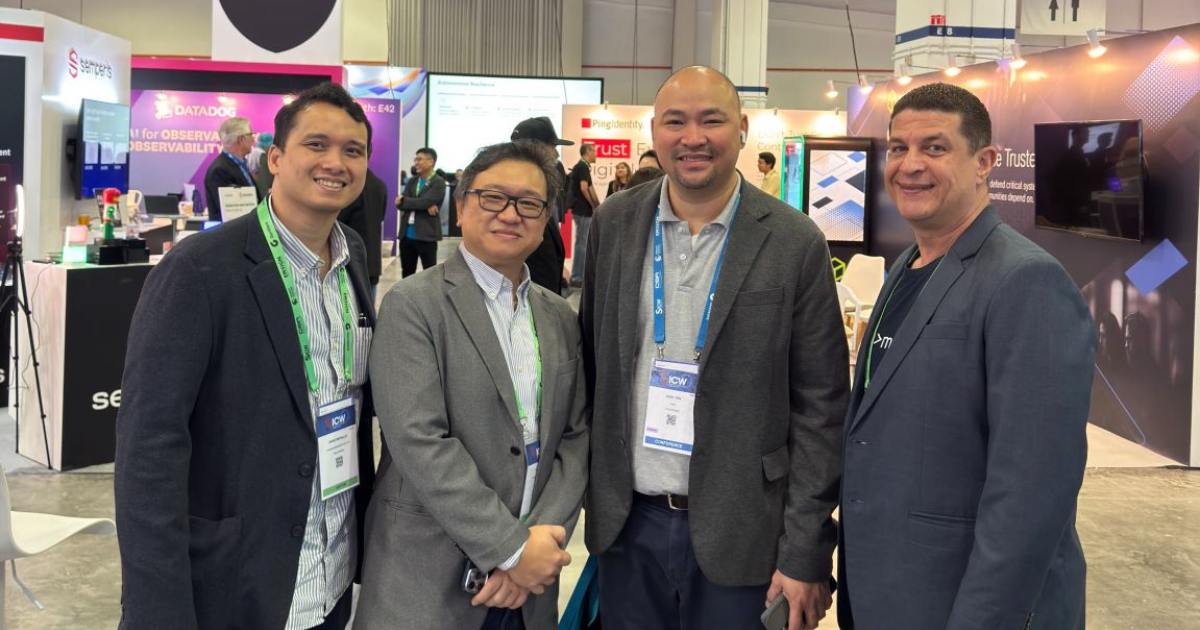
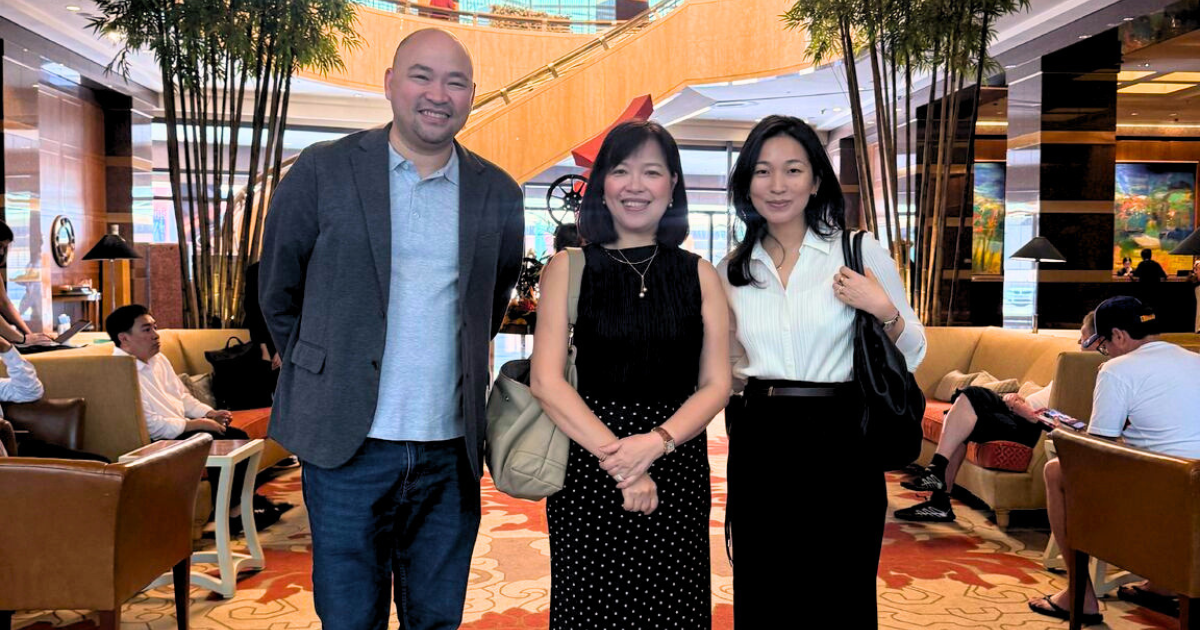
We spent the week of 12 to 15 October 2026 at Singapore International Cyber Week (SICW) and GovWare at Sands Expo: keynotes and panels, partner and ecosystem meetings, customer working sessions, and technical demos on the floor. The programme matched the mood in the hall. GovWare’s stated theme for 2026 is “Anchored in Unchanging Principles: Cyber at Agentic Velocity,” and most conversations we joined were less about whether to adopt agents than about where authority can move, where judgment must stay human, and how to show auditors and executives what actually happened.
That framing is closer to how we think about enterprise problems than it was even a few years ago.
Enterprise change is never just a technology project
It is still easy to describe automation, AI, and modernization as a stack upgrade or a vendor selection. On the ground, the constraints braid together.
Legacy platforms have to move forward without breaking services people rely on every day. Regulatory and reporting duties keep expanding, which often leaves highly skilled staff copying, reconciling, and re-explaining the same facts across tools. Leadership teams want AI in production, but they also need to retain and grow talent, raise real productivity, and defend a business case that survives board review.
The path from today’s operations to tomorrow’s has to be planned, coordinated, and measured. That is why “which tasks should we automate?” is only the first question. The next one is sharper: how should the work happen?
Three modes, task by task
We break that question down per task, not per org chart. Each task can run in one of three modes:
Agent Run. Agents do the work: investigate, collect facts, and establish a record without waiting for a human to drive every step.
Human Run. People do the work, with agents assisting where judgment, context, and exception handling matter most.
Human Managed. People govern the work agents do. They set boundaries, review outputs, and own the outcome.
The names are deliberate. Human Managed is both a mode and the name of our company because we believe the durable model in regulated, high-stakes environments is not “set and forget” autonomy. It is governed autonomy with evidence attached.
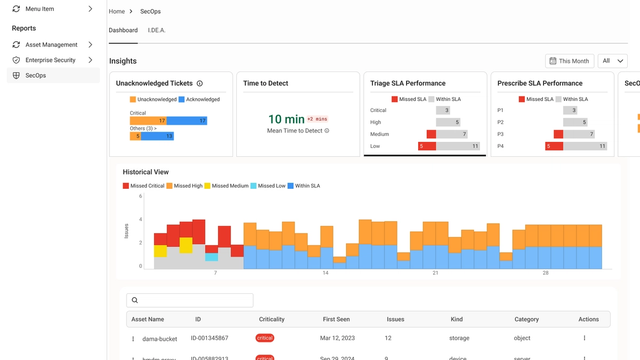
The mode for a given task is not permanent. It should change when agents earn trust through measured results over time: fewer false positives, faster time to a defensible decision, cleaner handoffs to the people who must sign off. When each step carries reasoning, sources, and an audit trail, reporting can become an output of operations instead of a separate manual scramble at quarter end.
That is the thread we pulled through customer conversations at SICW and brought straight back to our engineering and leadership teams in Singapore.
What we shared, and what we heard back
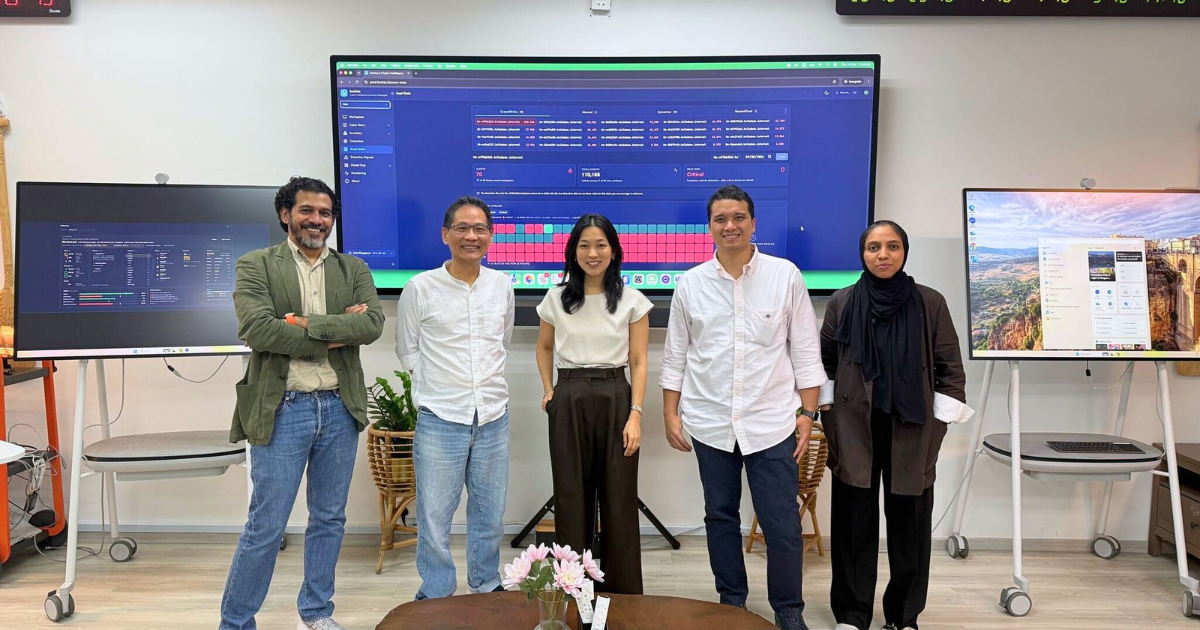
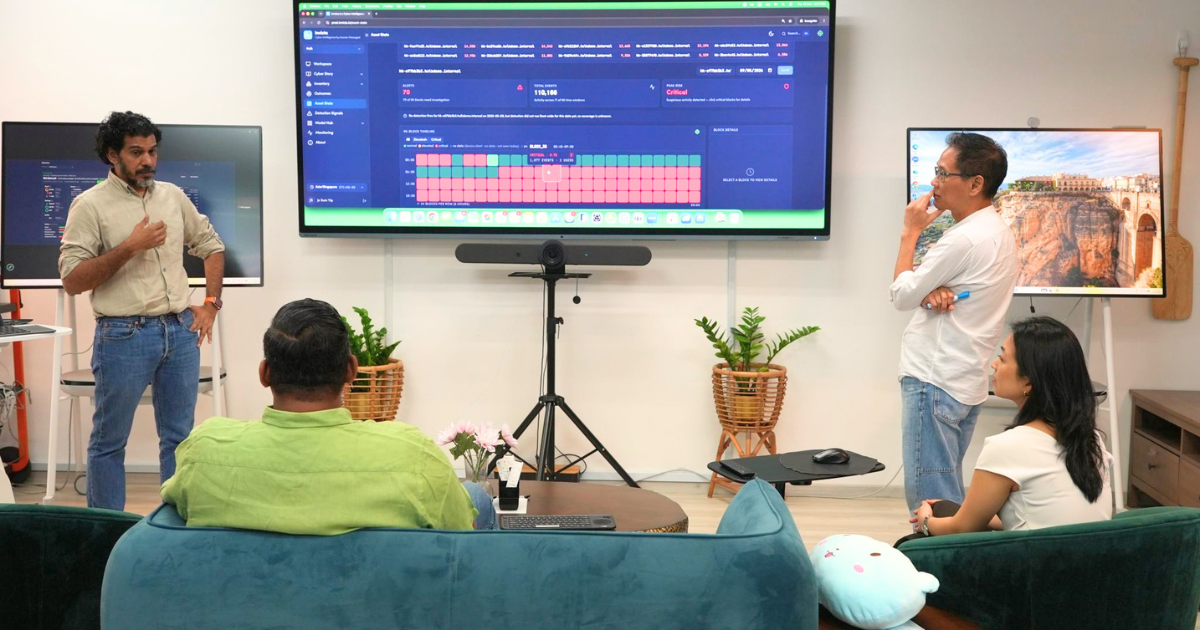
During the week we also hosted a technical session at our Singapore office: seven years of architectural choices, what we would repeat, and what we would do differently knowing what enterprises still spend time and money on today. We did not treat that history as a product tour. We used it to show how a service company that builds its own platform decides where agents belong in the loop, how state and context are resolved before a recommendation ships, and why explainability is how trust is earned with operators and executives alike.
What echoed in every corridor was familiar. Teams are tired of invisible work: duplicate triage across tools, investigations that restart because nobody trusts last week’s notes, compliance packs assembled by hand from screenshots. The problems we work on rarely sit inside a single product category or a neat Gartner box. Neither should the way you solve them.
A practical takeaway from the week
If you left SICW thinking only about model choice or agent demos, you missed the part most organizations will feel first: operating model design.
Pick one painful workflow (alert triage, fraud review, access remediation, regulatory evidence). Name the decision that must be defensible. Then assign a mode per step: Agent Run where the facts are repeatable, Human Run where context dominates, Human Managed where agents act but people own the boundary and the sign-off. Measure one or two outcomes you already report upward, and only then widen autonomy.
We are not claiming every task can start in Agent Run tomorrow. We are saying the conversation on the floor has moved from “can agents do this?” to “who is accountable when they do, and what proof do we have?”
Thank you to everyone who made time to meet us during SICW, and to the Human Managed team for a focused week on the ground in Singapore.
If you want to talk through how we combine human judgment and AI agents in production operations, start here: humanmanaged.com. We would like to hear what you are trying to run, and where you are stuck between pilot and production.